Choosing a method
Embroidery, Screen Printing, or DTF: How to Choose
Three decoration methods, three different jobs. The method that suits an event tee is the wrong one for a uniform program, and the difference shows up in month four.
Most people arrive at a decorator with a garment in mind and no strong opinion about how the logo gets onto it. That is reasonable. The method, though, is what decides how the apparel looks after twenty washes, how quickly you can reorder, and whether the mark still reads as your brand or as something a vendor put on a shirt.
We run all three methods, so we have no reason to talk you into the wrong one. Here is how we choose.
Embroidery
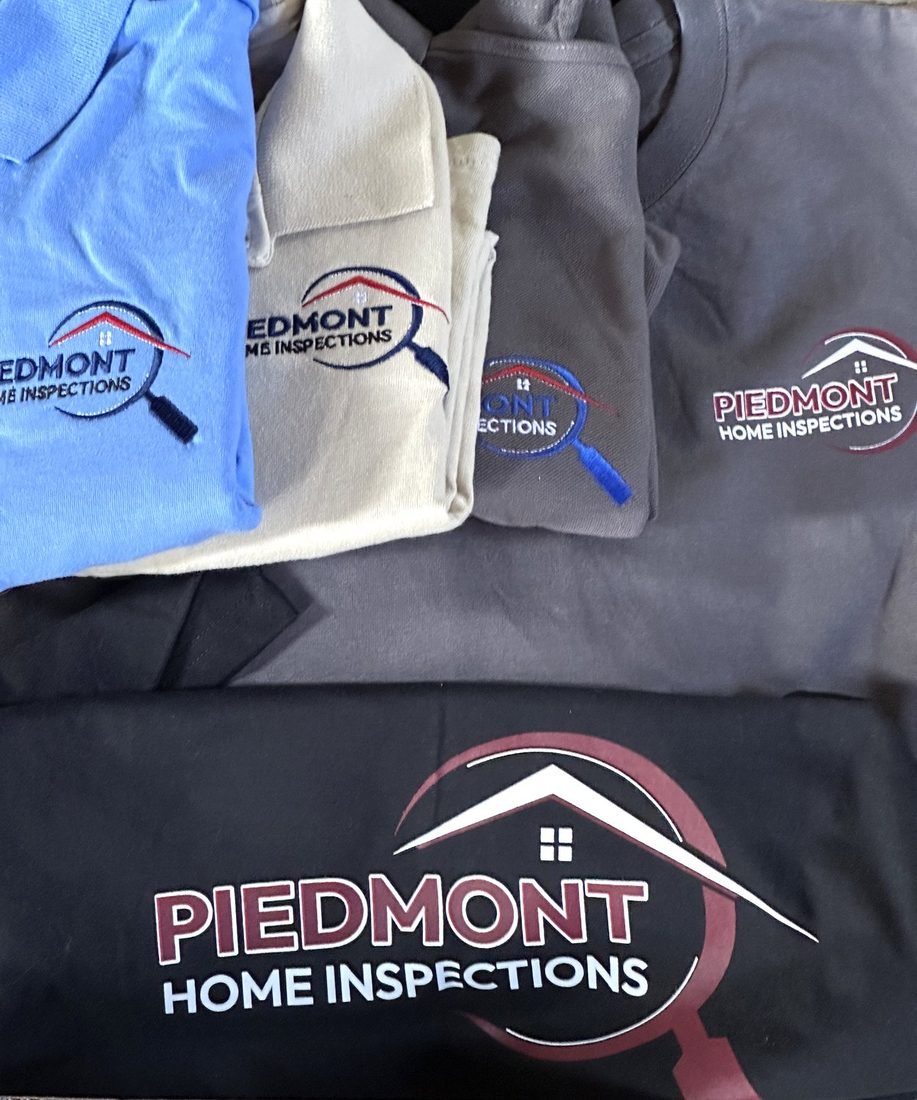
Stitched thread on a garment reads as investment. It carries texture and a shadow line, it does not crack or fade the way a surface treatment can, and it is what most people unconsciously expect on a polo, a cap, a woven shirt, or a jacket. For a uniform program that has to look the same on the last day of its third year as it did on the first day, embroidery is the default.
Where it suits: polos, wovens, quarter-zips, vests, soft shells, jackets, caps, aprons, and totes. Left-chest logos, cap fronts, sleeve marks, and names above a pocket.
Where it struggles: very fine lettering, particularly on textured knits. A stitch needs room, and a tagline set at a quarter of an inch on a pique polo will fill in. The fix is usually a size or a fabric change, decided before production, not an apology afterwards. Large solid-fill designs also become heavy and stiff on a light garment, which is a design problem rather than a quality problem.
Screen printing
Screen printing lays ink through a mesh screen, one screen per color. Setup takes real work, and then each additional garment is fast. That shape makes it the right economics for quantity: staff tees, event shirts, fundraisers, camps, and team apparel with names and numbers, which we print in the same run rather than applying separately.
Where it suits: 12 pieces and up, on cotton and cotton-blend tees, hoodies, and sweatshirts, with a limited number of colors.
Where it struggles: short runs and photographic artwork. Below a dozen pieces the setup dominates the cost, and a full-color gradient is not what the process was built for.
DTF printing
Direct-to-film prints your artwork, full color, onto a film that is heat-applied to the garment. It has no meaningful setup, which changes what is possible at the small end.
Where it suits: one-offs, replacements, late roster additions, small runs, and full-color artwork that would need six screens. Our DTF minimum is one piece.
Where it struggles: it sits on the surface of the fabric, so on a garment that lives in a commercial washer it is a different proposition than thread. For a uniform worn daily for years, embroidery is the more durable answer. For the shirt a new hire needs on Thursday, DTF is the only sensible one.
A short decision guide
- Daily-wear uniform, 6 pieces or more, polos and layers: embroidery.
- Event, camp, or staff tees, 12 pieces or more, one to four colors: screen printing.
- One to eleven tees, or full-color artwork: DTF.
- Team uniforms with names and numbers: screen printed in the run.
- A new hire in an existing program: embroidery, from the stitch file we already hold, with no new digitizing charge.
Mixing methods in one program
Most established accounts use two. Embroidered polos and outerwear for anyone who meets clients or patients, screen printed tees for the 5K the practice sponsors, and DTF for the replacements that come up in between. That is not indecision; it is matching each garment to the job it does.
If you tell us how the apparel will be worn, how often it will be washed, and who will see it, we will tell you which method we would use and why, including the cases where the answer is the cheaper one.
Talk to us about your order
Most embroidery orders ship in 7–10 business days once you approve the proof. Embroidery starts at 6 pieces, mixable across garment types, and we quote in one business day.